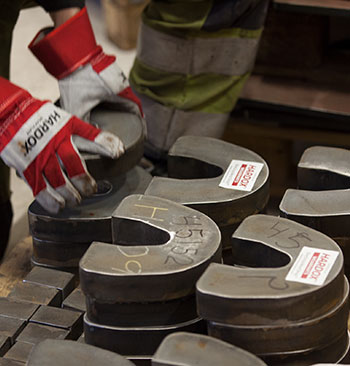
Large scale metal fabrication is a world of immense pressure and execution. Each project arrives with its own set of physical laws and tight deadlines. From the initial cut of raw steel to the final weld, the process demands absolute control. Mistakes are expensive, and delays can ruin a project’s timeline.
The challenge is to turn heavy, unyielding material into a functional structure. This arena separates those who can manage complexity from those who cannot, defining the true art of industrial production within the field of metal fabrication Dubai.
The weight of the material:
Handling enormous steel beams and thick plates is a daily challenge. Moving these pieces across a workshop floor requires heavy cranes and careful planning. A single piece can weigh several tons, and a miscalculation in lifting can lead to danger. Workers must coordinate every move with precision. The sheer size of the materials makes storage and transportation a constant logistical puzzle.
Tolerances and precision:
Even with giant components, the final product needs to fit together perfectly. Parts made for a large bridge or an industrial press must align within fractions of a millimeter. Heat from welding causes metal to expand and contract, throwing measurements off. Skilled fabricators constantly check and adjust their work. They use lasers and levels to verify every angle. Achieving this fine accuracy on parts that are dozens of feet long tests the limits of equipment and the skill of the crew.
Welding and distortion control:
Welding is the core of joining metal, but it creates intense heat. This heat can warp and twist large assemblies. Controlling this distortion is a serious battle. Welders use specific sequences and techniques to pull the metal in the right direction. They may apply heat in one area to counteract the pull of a weld in another. A poorly managed weld can ruin a whole structure, turning straight steel into a curved mess. It takes experience to predict how the metal will react and to counteract it.
Managing production schedules:
Large projects have long timelines, but every step connects to the next. If a steel order arrives late, the whole shop falls behind. Fabricators must plan material orders, cutting, welding, and finishing so each phase lines up perfectly. They also have to account for bad weather or equipment breakdowns. A smart production manager arranges the workflow to keep all teams busy. They ensure the shop floor stays active without anyone waiting for the last team to finish their work.